Sides · Japanese
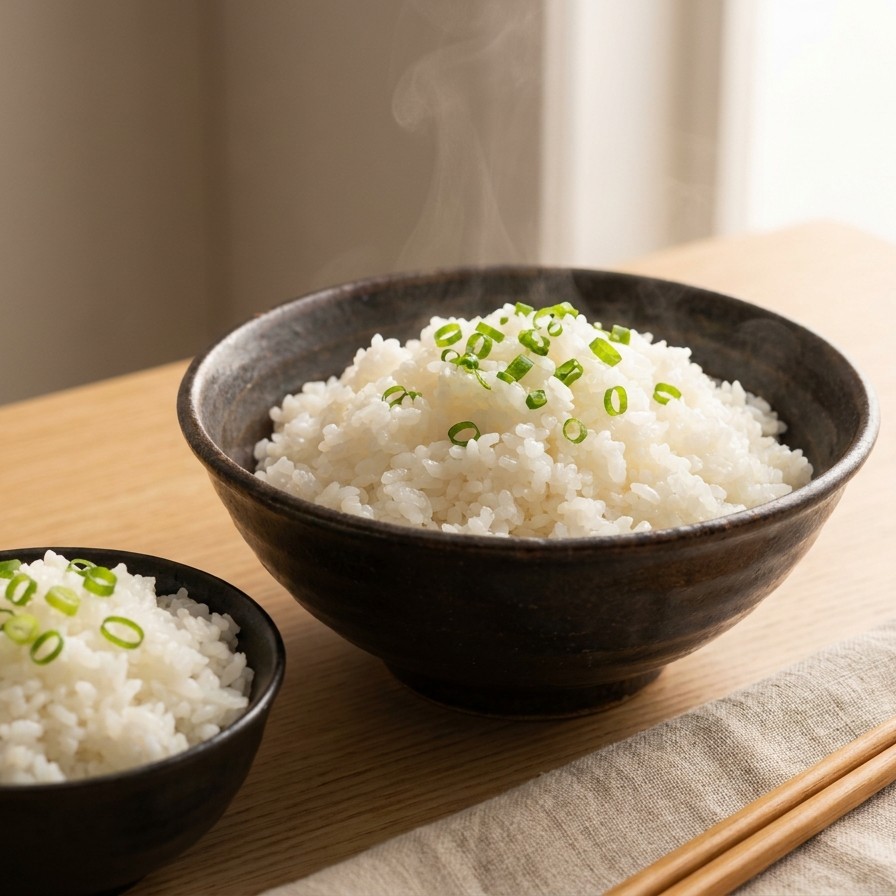
Japanese Gohan (Steamed Sushi Rice)

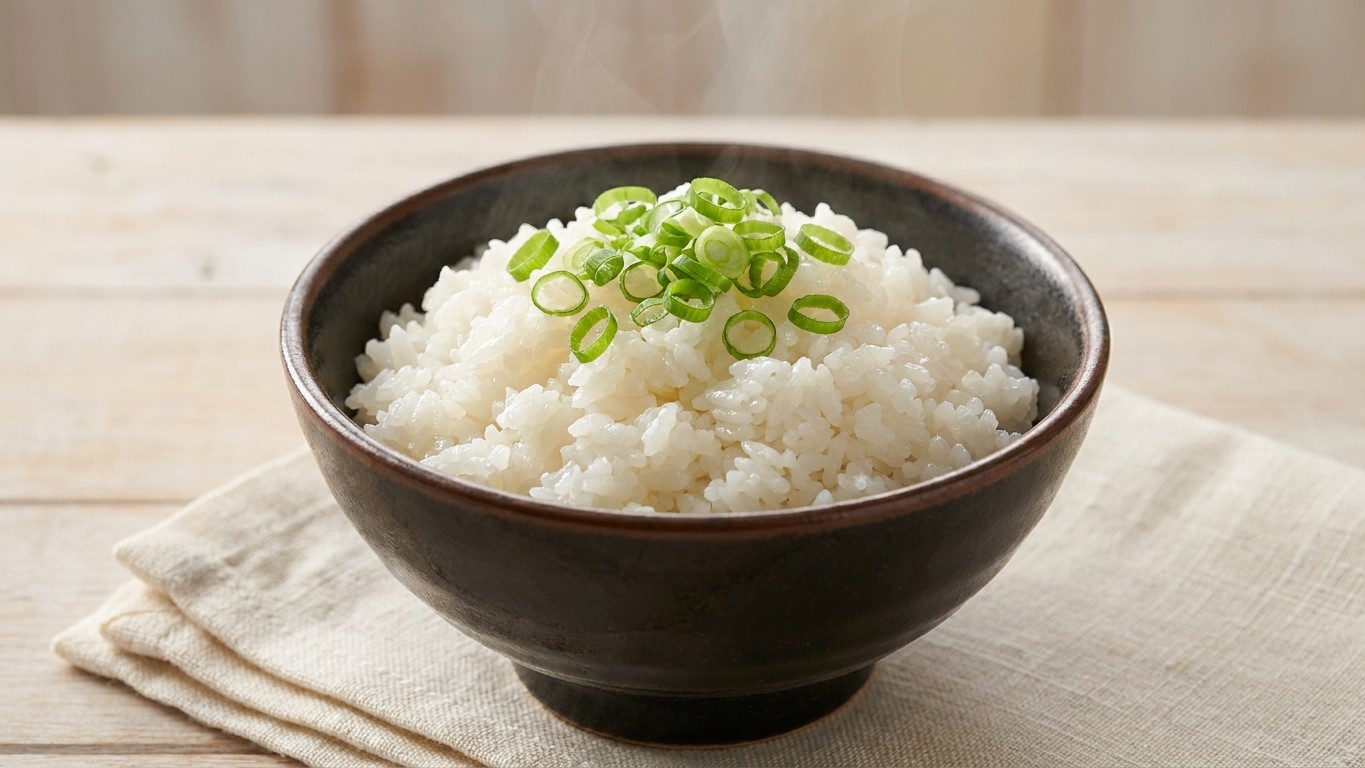
This is the backbone of any Japanese meal: soft, slightly sticky, perfectly steamed rice. The secret is rinsing until the water runs clear and letting the rice rest off the heat. A splash of mirin at the end adds a gentle sweetness that makes it taste like it came from a restaurant.
Why you'll love this
- Just a few ingredients and mostly hands-off time.
- Restaurant-quality rice at home.
- A reliable base for bowls, curries, and stir-fries.
- Naturally vegetarian and gluten-free (if you skip the dashi).
EveryDayMeal recipe
Japanese Gohan (Steamed Sushi Rice)
Prep
10m
Cook
30m
Total
40m
Serves
4
Level
Easy
Ingredients
- 1 1/2 cups sushi rice
- 1 3/4 cups water (or half dashi, half water)
- 1 tablespoon mirin
- to taste pickle juice, for garnish
- a few scallions, thinly sliced, for garnish
Equipment
- Medium saucepan with tight-fitting lid
- Fine-mesh strainer or bowl
- Rice paddle or fork
Instructions
- Measure the rice into a bowl and cover with cold water. Swish and gently massage the grains with your fingers; the water will turn cloudy as the surface starch releases. This step is what keeps the finished rice from turning gummy.
- Drain and repeat with fresh water five or six times, until the water stays mostly clear. Drain well so no extra liquid throws off your cooking ratio.
- Tip the rinsed rice into a saucepan and add 1 3/4 cups water (or half dashi and half water for more flavor). Bring to a boil over medium-high heat.
- Reduce the heat to the lowest simmer, cover with a tight-fitting lid, and cook undisturbed for 15 minutes. Resist lifting the lid, since the trapped steam is doing the work.
- Remove from the heat and let it sit, still covered, for another 15 minutes. This rest lets the grains finish steaming and firm up so they are fluffy, not wet.
- Drizzle in the mirin, then fluff gently with a fork or rice paddle to mix it through without crushing the grains. Serve topped with a splash of pickle juice and a scatter of sliced scallions.
Tips from the kitchen
- Use a pot with a tight lid. If yours lets steam escape, lay a clean kitchen towel under the lid to trap it.
- Do not stir while it cooks. Stirring breaks the grains and releases starch, making the rice sticky in a bad way.
- The 15-minute rest off the heat is not optional. It is what gives you evenly cooked, fluffy grains.
Estimated nutrition per serving: 180 cal · 3g protein · 40g carbs
Make it your own
- Swap half the water for dashi to add a savory, umami depth.
- Stir in a splash of seasoned rice vinegar for quick sushi rice.
- Top with toasted sesame seeds and a sheet of torn nori.
Storing & make-ahead
Keep leftover rice in an airtight container in the fridge for up to 3 days. Reheat with a splash of water in the microwave, covered, to bring back the soft texture. Cooked rice also freezes well for up to a month.
Good to know
- Can I use a rice cooker?
- Yes. Rinse as directed, use your cooker's rice-to-water line, and stir in the mirin after it finishes.
- What is mirin and can I skip it?
- Mirin is a sweet Japanese rice wine. It adds subtle sweetness and shine. You can leave it out or use a pinch of sugar instead.
- Why rinse the rice so many times?
- Rinsing washes off surface starch so the grains cook up fluffy and separate instead of gluey.
- Can I double the recipe?
- Yes, just keep the same rice-to-water ratio and use a larger pot. Cooking time stays about the same.
Related recipes

Sides
Homemade Shawarma Flatbread
Sides
Turkish Cacik (Cool Cucumber Yogurt Dip)

Sides
Boulangère Potatoes
Love this? Get one every day.
Every meal, sorted. Free daily recipes in your inbox.